 marinepoint


Inflatable boats: summer care and puncture repair
2026-08-03 · Marine Point
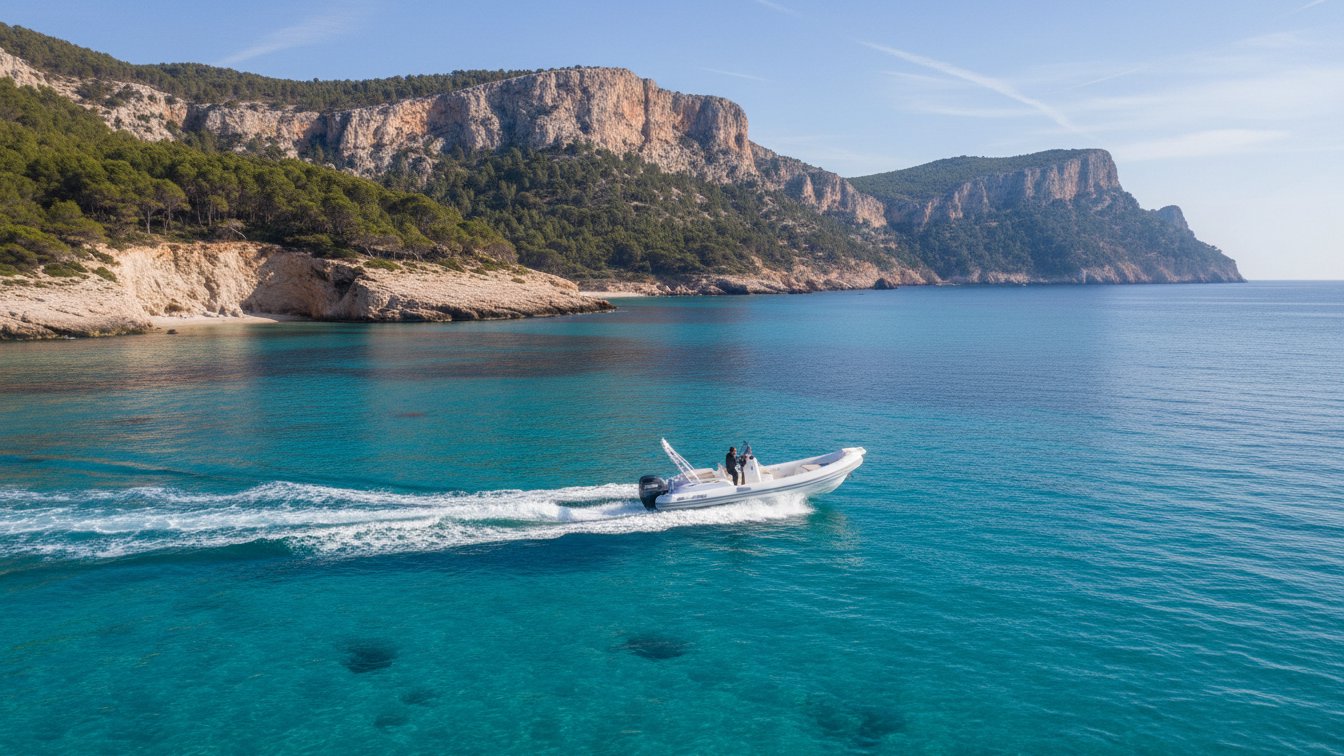
In the Balearics, an inflatable works hard between May and October: heat, intense sunlight, salt, chafe at the pontoon and frequent anchoring. Simple maintenance helps preserve the tubes, avoid pressure loss and catch small damage before it spoils an outing. We don't recommend waiting for a serious puncture: checking the boat at the start of the season and after hard days out is the most practical way to go afloat with peace of mind.
Hypalon and PVC: care by material
Hypalon and PVC are the usual tube materials, but they don't age in quite the same way and must not be repaired with the same products. PVC is a very widespread solution and needs particular attention to built-up heat and prolonged sun exposure. Hypalon generally offers good resistance to the elements, though it is not immune to UV, salt or unsuitable cleaning products either.
In both cases, rinse the tubes with fresh water after sailing, especially if the boat stays moored for days. Avoid aggressive solvents, hard brushes and cleaners not intended for the fabric. Also check the seams, valves, handles and chafe areas: discolouration, a sticky surface or an edge starting to lift deserve early attention.
Correct pressure and protection from the sun
Pressure shouldn't be checked only before setting off. The air inside expands when the inflatable sits in the sun — especially relevant in Balearic harbours and coves during the middle of the day. Always follow the manufacturer's figure for each chamber and measure with a reliable gauge, preferably with the tubes at a moderate temperature.
It is not a good idea to over-inflate so the boat feels stiffer, nor to compensate for a recurring loss by adding air without finding its cause. If the boat will sit in the sun for many hours, check the pressure again and use a cover or shade where possible, without blocking ventilation. Correct pressure improves the boat's behaviour and reduces unnecessary strain on seams and fittings.
What to do about a puncture
If you detect an air loss, first identify the spot without pushing the inflatable's use. The valves, the edges of old patches and the areas in contact with docks or trailers are the usual places to check. Soapy water can help locate small leaks by their bubbles — always rinse the surface afterwards and keep liquid out of the valve.
Repair kits must be compatible with the tube material: an adhesive or patch designed for PVC won't necessarily work on Hypalon. Preparing the area, sanding where appropriate, cleaning and curing times matter as much as the patch itself. You will find options and equipment in our inflatables category, but with a large tear, an open seam or a leak you can't pin down, we recommend seeing a professional before going back on the water.
A quick check before every outing
Before letting go the lines, confirm that the tubes are holding pressure, the valves close properly and there are no cuts, abrasions or loose fittings. Also make sure no sharp objects are left aboard and that chafe against ropes, fenders or rough surfaces is under control.
We have been working with the islands' boaters since 2006 and we know a well-planned repair avoids premature replacements. If you have doubts about your inflatable's material or the extent of some damage, you can contact us to weigh up the best solution — without being sold more than you need.