 marinepoint


Autumn maintenance for your inboard engine
2026-10-12 · Marine Point
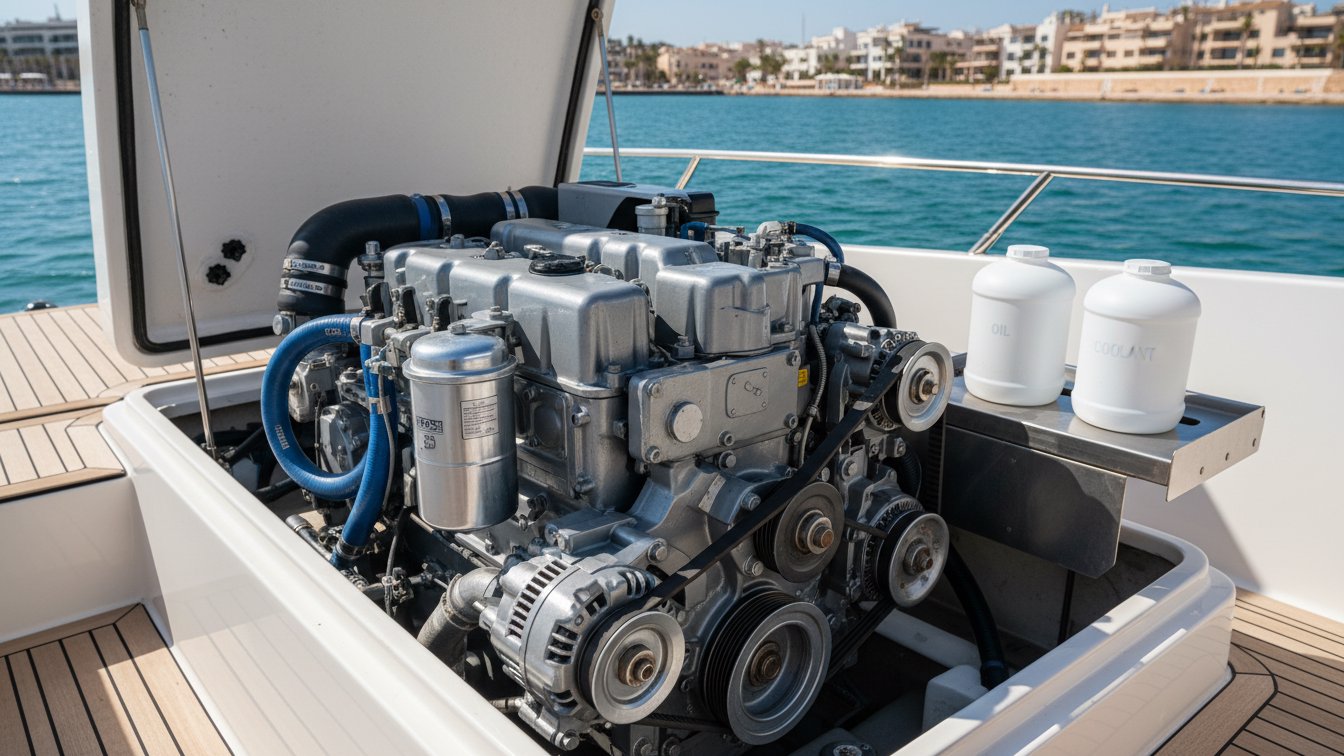
At the end of the season, getting your inboard engine ready for the lay-up is more than just a job to tick off: it helps prevent used oil, moisture or a postponed inspection from causing problems on your next trip. In the Balearics, where many boats are used from May to October and then spend months moored, we recommend carrying out maintenance at the end of the season rather than waiting until spring. We go over the key points and when it is worth calling in a professional.
Change the oil before the lay-up
If maintenance is due, changing the oil before the lay-up removes the residues that have built up during the season and leaves the engine ready to stand idle. Take the opportunity to replace the oil filter too, following the engine manufacturer's instructions. Don't improvise with the type of oil or the procedure: consult the manual and, if you're unsure about the quantity or how to do it, ask a mechanic for help.
Make arrangements to collect the used oil and filter and take them to an authorised disposal point. Do not pour them into the water, onto the ground or down the marina drains. To find spare parts, you can visit our section on engine and stern drive spares. We recommend what you need, not the most expensive option: choosing the right part number and ensuring it is compatible with your engine matter more than buying extra.
Check the diesel and oil filters
Change the oil filter along with the oil when the maintenance schedule calls for it. As for the diesel, check the condition of the filter and the water separator, if your system has one. Water or dirt in the fuel can cause problems when you restart the engine, but not all systems are checked in the same way. Consult the manual and avoid opening components if you're not sure how to bleed the system afterwards.
If you notice water, debris, leaks or a badly deteriorated filter, don't leave it until launch day. And if the engine does not start normally after any work, don't keep trying: a professional can check the system without turning a routine inspection into a bigger breakdown.
Check the cooling system and antifreeze
First identify which cooling system your engine has. In closed-loop systems, check the condition of the coolant and its protection against the temperatures expected, always following the manufacturer's instructions. Engines that draw in seawater require a different procedure to prepare for the lay-up. Do not add antifreeze without confirming which circuit you're treating and which product the engine can use.
Severe frosts are not usual in our area, but that does not mean the system does not need to be protected and checked. Any coolant must be collected and disposed of correctly; it must never be discharged into the sea, which is especially important in Balearic waters and sensitive areas with posidonia seagrass. If you cannot tell the circuits apart or do not know how to prepare the system, leave the job to a workshop.
Inspect the belts and keep a record
With the engine switched off, visually check the belts for cracks, wear or signs of slipping. Do not adjust the tension by eye: incorrect tension can affect the operation of the components they drive. If you see any damage, or cannot access the area safely, arrange a professional inspection.
Make a note of what you have changed and what is still outstanding. This will help you plan spring maintenance in good time, which is useful when island logistics and the pre-season rush can mean a longer wait for a spare part or an appointment. If you need advice on identifying a part or deciding what to do next, contact us.